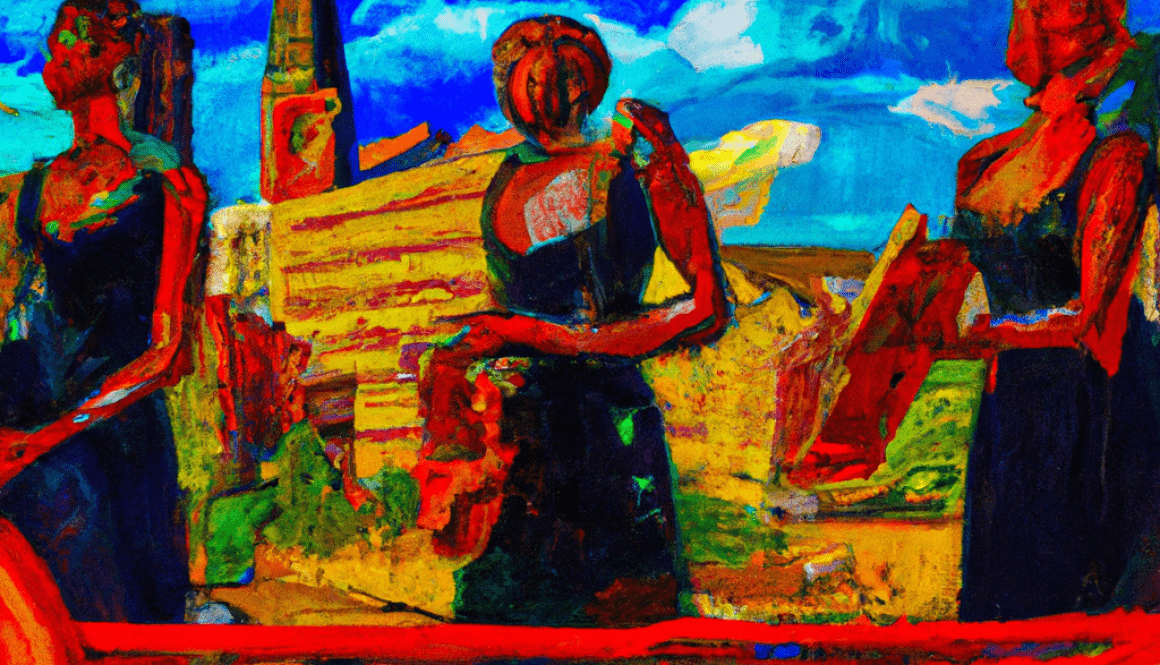
The promise of a world for collective dreamers: Afrodeutsche and Manchester Camerata
Manchester changes faster than other places. So it seems to those of us that have the city as a geographical barometer of our lives. Over four decades of knowing this city there has been a continuous climb upwards. Not just the buildings. Maybe we see it most immediately in the buildings. Lots of this sky creep feels alienating and the sense of Gotham exploding over less than a decade shrinks me, physically and spiritually. This happens through age, waning familiarity mixed with a flooding of memory, our own changing perspectives and the new worlds spinning alongside us. Long spent nervous energy on trains from Wigan to the Hacienda, Conspiracy, Oldham Street, forgotten pits and dark encounters wandering rainy dark streets soaked with night-long friendships, evaporated. Resistant to romanticised versions of corporate versions of the eighties and nighties means the necessity of clinging to that sense of something special always getting tougher. Our own past getting drained out into a communal cultural past that tests memories which were always going to be hazy given the states they were in at the time of collection. Memories fade but Manchester remains as a place that made lots of me, has a resonance I know is there even if it is not always glowing. A place of found friends and lost ones and wild excesses and desperate wanderings. Manchester is complicated and the massive transformation demands an engagement with it. Not sure why place does this but all places do, drag down or lift-up and generally a messy and incoherent mixing of both. How we respond to places, and the spaces in them, defines us more than anything ese. Our differences and commonalities most acute in the ways we respond to a place in the world.